In the fast-paced world of digital entrepreneurship, starting an online business without a clear roadmap is akin to sailing a ship without a compass. Every year, thousands of aspiring internet marketers dive into the digital marketplace with high hopes, exceptional products, and unbounded energy.
Yet, a staggering percentage of these ventures stall or fail within their first year. The reason is rarely a lack of effort; rather, it is the absence of a structured framework. Entrepreneurs often mistake a product or an idea for an actual business. To survive and thrive, you need more than just a great concept—you need a reliable, scalable system.
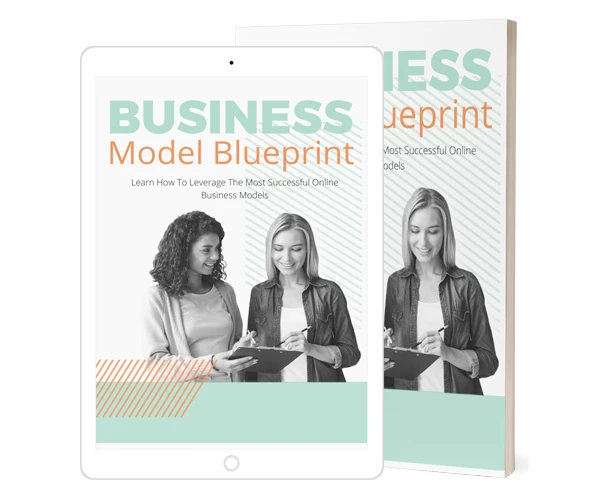
This comprehensive guide details how the Business Model Blueprint solves this operational dilemma, giving you a step-by-step master plan to build, launch, and scale a highly profitable digital marketing business from the comfort of your home.

The Foundations of Strategic Digital Marketing
An internet marketing business is built on several moving parts, all of which must align perfectly to generate consistent revenue. Unlike traditional brick-and-mortar setups, online storefronts and digital product funnels operate in an environment of short attention spans and fierce global competition. Therefore, strategic clarity must be your absolute priority before launching any promotional campaigns or investing in web assets.
Why a Product Alone Is Never Enough
One of the most persistent and dangerous myths in the online business space is the idea that “if you build it, they will come.” Many creators believe that if their digital product, software, or e-commerce item is of high quality, sales will naturally follow without much strategic intervention. This product-centric mindset ignores the core reality of the modern web: visibility and conversion mechanics dictate commercial success.
Without a deliberate blueprint, even the most revolutionary product will remain invisible in a crowded digital marketplace. A comprehensive framework shifts your focus from merely creating a product to engineering an entire customer acquisition journey. It forces you to answer critical operational questions: How will potential buyers find you? What will motivate them to trust your brand? How will you maximize the lifetime value of every customer who enters your ecosystem?
The Anatomy of a High-Converting Marketing Blueprint
A functional blueprint acts as an architectural design for your entire digital enterprise. It integrates lead generation, content marketing, search engine optimization, paid advertising, and backend sales funnels into a single, cohesive engine. When these components are structured properly, they create a predictable flow of traffic and conversions, removing the guesswork from your day-to-day operations.
- Lead Acquisition Mechanics: Developing systemized entry points that capture targeted user data.
- Conversion Architecture: Designing landing pages and sales funnels optimized for psychological triggers.
- Value Ladder Implementation: Offering low-friction entry products alongside premium backend solutions.
- Traffic Diversification: Balancing organic search visibility with highly targeted paid acquisition channels.
The Squeeze Page Architecture: Securing Your Digital Assets
At the center of any successful internet marketing framework sits the opt-in page, commonly known as a squeeze page. Your email subscriber list is the only digital asset that you truly own and control. Social media algorithms change, ad costs fluctuate, but direct access to an engaged subscriber base remains the most reliable driver of long-term revenue in the digital space.
The Essential Landing Page Checklist
To convert casual website visitors into dedicated subscribers, your landing page must execute a few specific functions with absolute precision. A poorly optimized squeeze page wastes valuable traffic and increases your acquisition costs exponentially. Below is the essential structural checklist required to ensure your opt-in pages convert at the highest possible rate:
- Compelling, Benefit-Driven Headline: Your headline must immediately clearly communicate the exact value proposition within three seconds of page load. Focus on a major problem solved or a major goal achieved.
- Minimalist Visual Design: Eliminate unnecessary clutter, sidebar navigation, and external links. The sole purpose of the page is to encourage the user to take a single action: fill out the opt-in form.
- High-Value Lead Magnet: Offer a premium piece of content—such as a checklist, a mini-ebook, or an exclusive video—that provides immediate gratification and actionable value to the subscriber.
- Frictionless Opt-In Form: Keep input fields to an absolute minimum. Requesting only an email address typically yields significantly higher conversion rates than demanding full names, phone numbers, and job titles.
- Prominent Call-to-Action (CTA): Use high-contrast colors for your submission button. The text should be action-oriented, using phrases like “Get Instant Access Now” rather than generic words like “Submit.”
- Visible Trust and Compliance Signals: Include direct links to your privacy policy, terms and conditions, and a clear disclaimer to ensure full transparency and compliance with major advertising platforms.
Optimizing Squeeze Pages for Maximum Subscriber Growth
Building the initial landing page is only the first phase of the process. Continuous optimization through rigorous split testing is required to find the exact combination of messaging and design that resonates with your core demographic. Small changes to a headline or button color can lead to substantial increases in subscriber growth, driving down your overall marketing expenses and building a larger asset faster.
Monetizing the Small Niche Business Model
Many new digital marketers believe they need to target massive, broad markets to generate substantial income. However, attempting to appeal to everyone usually results in appealing to no one. The truest path to sustainable profitability for independent operators lies within hyper-focused, small niches where customer needs are highly specific and vastly underserved.
The Strategic Advantages of Hyper-Focused Niches
When you focus your digital marketing efforts on a specialized sub-market, you drastically lower the competitive barriers to entry. Large corporations with massive marketing budgets typically dominate broad keywords and generic market segments. By narrowing your focus, you can dominate specialized terms, establish rapid authority, and build deep trust with an audience looking for precise answers to their problems.
Furthermore, micro-niches enjoy significantly higher conversion rates. Customers looking for a precise solution are far more motivated to purchase, and they are frequently willing to pay a premium for specialized expertise that directly addresses their unique pain points. This model allows a small business to thrive with a modest amount of highly targeted traffic, rather than requiring millions of page views to generate a profit.
Step-by-Step Micro-Niche Monetization Framework
To systematically extract profit from a specialized niche, your operations must follow a logical progression that matches your audience’s distinct search intent:
- Identify Underserved Sub-Markets: Use keyword research tools and community forums to discover specific problems within larger industries that lack comprehensive solutions.
- Map the Target Persona: Create a detailed profile of your ideal buyer, documenting their specific frustrations, vocabulary, daily challenges, and financial motivations.
- Develop Targeted Solutions: Package your knowledge into concise, easily digestible digital formats—such as guides, templates, or specialized audio files—designed to solve a single problem.
- Establish Authority Channels: Publish deeply informative, highly optimized content that addresses niche-specific queries, positioning your brand as the go-to resource in that space.
- Implement Automated Funnels: Guide your niche audience from organic search queries directly to your squeeze pages, followed by an automated sequence presenting your specialized digital offers.
Product Selection: Proprietary Creations vs. Affiliate Marketing
A critical inflection point for every internet marketer is deciding what type of offer to position at the center of their business model. You must choose between investing resources into developing your own proprietary products or leveraging the infrastructure of existing brands through affiliate marketing networks.
The Economics of Creating Your Own Products
Developing a unique digital asset grants you complete control over your brand, pricing structure, sales material, and customer data. It positions you as a true creator in the marketplace and unlocks the highest possible profit margins, as you do not have to split your revenue with third-party creators. Additionally, owning a product allows you to recruit an army of affiliate marketers to promote your business for you, providing scalable, performance-based traffic.
However, product creation demands a substantial upfront investment of time, energy, and technical skill. Beyond writing or recording the core content, you must design compelling graphics, write persuasive sales copy, configure secure payment gateways, and manage ongoing customer support systems. For beginners, these operational challenges can create a long delay before realizing their first dollar of revenue.
The Agility of the Affiliate Marketing Blueprint
Affiliate marketing offers an elegant, low-barrier alternative for entrepreneurs who want to generate revenue quickly without handling development or customer support. As an affiliate, your sole responsibility is to connect qualified buyers with proven, existing offers. When a sale occurs through your tracking link, you earn a substantial percentage of the revenue as a commission.
This approach allows you to test different niches and product categories with zero financial risk. If a particular market proves unprofitable, you can immediately pivot to a different product without losing an upfront investment. The challenge of affiliate marketing lies in traffic generation and differentiation; because multiple affiliates promote the exact same item, you must build unique trust and provide distinct value to convince buyers to purchase specifically through your link.
Maximizing Conversions in E-Commerce Storefronts
For entrepreneurs whose business models incorporate tangible goods or curated digital storefronts, website design and item arrangement directly impact daily profitability. E-commerce success depends heavily on reducing user friction and guiding browsers seamlessly toward the checkout page.
The Psychology of Strategic Product Arrangement
The layout of an e-commerce platform should never be accidental. Just as physical supermarkets place essential goods at the back to force shoppers past tempted displays, digital storefronts must utilize visual hierarchy to maximize their average order value. Your highest-margin items, best-sellers, and introductory promotional bundles must occupy prominent above-the-fold positions on your primary collection pages.
Grouping related items into logical, intuitive categories prevents choice paralysis, a common psychological phenomenon where a consumer becomes overwhelmed by too many options and abandons the site entirely. Clear filtering systems, prominent search bars, and real-time smart recommendations based on browsing history help users find exactly what they want quickly, dramatically improving your site’s conversion rates.
Tactics to Reduce Shopping Cart Abandonment
A high percentage of users add items to their digital shopping carts only to leave the site before completing their purchase. Mitigating this loss requires a mix of technical optimization and persuasive design:
- Implement a Single-Page Checkout: Strip away unnecessary steps, account creation requirements, and multi-page forms to make purchasing as fast and painless as possible.
- Display Transparent Pricing: Reveal all shipping fees, taxes, and handling costs early in the process. Hidden charges appearing at the final stage are a primary cause of cart abandonment.
- Leverage Real-Time Scarcity and Urgency: Use low-stock indicators and limited-time countdown timers to encourage immediate action from hesitant buyers.
- Integrate Instant Trust Badges: Display recognizable security certifications and explicit money-back guarantees directly adjacent to your payment buttons to reduce buying anxiety.
Traffic Acquisition Strategies: SEM, PPC, and Social Media
No digital blueprint can succeed without a steady flow of targeted traffic. To build a robust, resilient business model, you must master both organic and paid traffic generation strategies, balancing long-term sustainability with immediate customer acquisition.
Search Engine Marketing (SEM) and Search Engine Optimization (SEO)
Search Engine Marketing represents one of the highest-value traffic sources available because it capitalizes on explicit user intent. When a user inputs a query into Google, they are actively looking for information, a solution, or a specific product. By optimizing your web content for these precise phrases, you position your brand directly in front of an audience that is already primed to take action.
Long-term organic visibility requires a commitment to creating comprehensive, high-quality content that thoroughly satisfies search intent. Your articles, tutorials, and product descriptions must be structured clearly with logical heading tags, optimal keyword placement, and external references. Over time, high organic rankings deliver an ongoing stream of free, highly qualified traffic, lowering your long-term customer acquisition costs.
Pay-Per-Click (PPC) Advertising Frameworks
While organic SEO takes time to mature, Pay-Per-Click advertising networks provide instant visibility and immediate traffic. Platforms like Google Ads and Microsoft Advertising allow you to bid on specific keywords, placing your offers at the absolute top of search results pages within minutes of launching a campaign.
To run profitable PPC campaigns, you must match your ad copy precisely with both the search query and the landing page experience. If a user clicks an ad promising a specific solution, your squeeze page or sales letter must deliver that exact answer instantly. Tracking your cost-per-click (CPC) against your customer lifetime value ensures that your paid campaigns remain consistently profitable and scalable.
Leveraging Social Media to Monetize Traffic
Social media platforms are powerful engagement engines that allow you to humanize your brand and build dedicated communities around your business model. Rather than using these channels purely for loud, direct sales pitches, successful digital marketers use them to share valuable insights, solve common user problems, and foster authentic interactions.
By publishing consistent, high-value content on platforms relevant to your niche, you can guide interested users back to your central digital assets, such as your blog or squeeze page. This relationship-first approach builds deep brand loyalty, making your community far more receptive to your digital product offers and affiliate recommendations over time.
Avoiding Critical Pitfalls on Facebook
Facebook remains a dominant force for customer acquisition, yet many digital marketers consistently lose customers due to avoidable strategic errors. To maximize your effectiveness on the platform, avoid these common operational mistakes:
- Failing to Install and Configure the Meta Pixel: Operating without this tracking asset prevents you from retargeting interested visitors and optimizing your ad spend effectively.
- Over-Saturating Organic Timelines with Sales Pitches: Driving users away with constant promotional messages instead of leading with value and community-building content.
- Ignoring User Comments and Messages: Leaving questions unanswered signals poor customer care, rapidly eroding brand trust across the platform.
- Neglecting Mobile Layout Optimization: Creating ad funnels that look excellent on desktops but break down completely on mobile devices, alienating the majority of Facebook users.
Maintaining Personal Focus and Digital Longevity
Building a successful digital marketing business is as much a psychological challenge as it is a technical one. Working from home offers incredible freedom, but it also exposes you to constant distractions, isolation, and the risk of mental fatigue. Long-term commercial success requires a deliberate strategy to maintain personal productivity and mental clarity.
Strategies for High Performance in a Home Environment
To maintain high productivity while managing an online business from home, you must treat your ventures with the same discipline as a traditional corporate office. Establish a dedicated workspace free from domestic distractions, define clear working boundaries with family members, and structure your workday with specific operational blocks for deep creative work and administrative tasks.
Additionally, avoiding the trap of “shiny object syndrome”—the constant urge to abandon your current strategy for the latest trending marketing tool or platform—is critical. Pick a proven business model, master its mechanics, and commit to executing it consistently before attempting to expand into new ventures. Longevity in the digital space belongs to those who build sturdy foundations through disciplined, daily execution.
Conclusion: Executing Your Business Model Blueprint
The path to digital marketing success does not rely on luck or secret algorithms; it is the direct result of executing a proven framework with consistent discipline. By prioritizing your marketing blueprint, building optimized squeeze pages, dominating hyper-focused niches, and balancing your traffic acquisition channels, you transform your digital venture from an unpredictable hobby into a highly structured, profitable business.
The Business Model Blueprint package provides the core structural components needed to master this landscape. With its high-quality eBook, complete opt-in infrastructure, and comprehensive private label rights, you possess a versatile asset ready for customization. Take these resources, adapt them to your target market, optimize your conversion pathways, and begin building a sustainable digital enterprise today.
Business Model Blueprint: Digital Marketing PLR Guide