Discover science-backed weight loss strategies, meal plans, and workout routines. Transform your body with sustainable fat-burning techniques that actually work.
The Ultimate Guide to Weight Loss: Your Complete Roadmap to a Healthier Body
Weight loss remains one of the most searched topics on the internet, and for good reason. Millions of people worldwide struggle with excess weight, yo-yo dieting, and the frustration of programs that promise dramatic results but deliver disappointment. This comprehensive guide cuts through the noise, delivering evidence-based strategies that produce measurable, sustainable results. Whether you are just beginning your journey or have plateaued after initial success, the information contained here will transform your approach to fat loss forever.
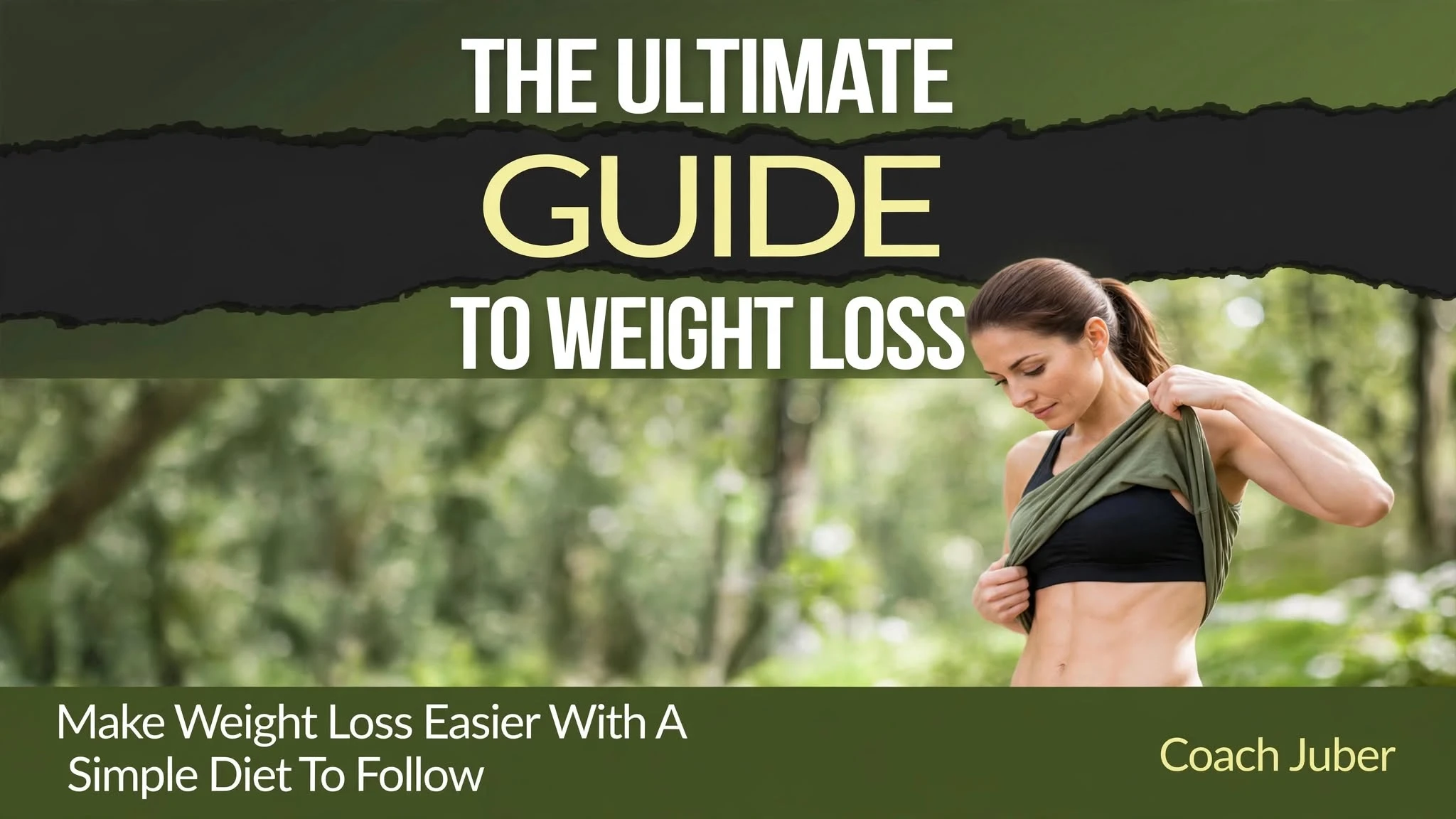
Discover weight loss the ultimate guide ebook
Understanding the Science Behind Weight Loss
Before diving into specific strategies, it is essential to understand the fundamental science that governs weight loss. At its core, weight loss occurs when you create a caloric deficit, meaning you burn more calories than you consume. However, the human body is not a simple mathematical equation. Hormonal balance, metabolic adaptation, sleep quality, stress levels, and genetic factors all play significant roles in determining how efficiently your body sheds excess fat.
The Role of Calories and Energy Balance
Energy balance refers to the relationship between calories consumed through food and beverages and calories expended through basic bodily functions, daily activities, and exercise. To lose one pound of body fat, you need to create a deficit of approximately 3,500 calories. This translates to a daily deficit of 500 calories to lose about one pound per week. However, aggressive calorie restriction often backfires, triggering metabolic slowdown and intense hunger that leads to binge eating.
Hormones That Influence Fat Storage and Burning
Several hormones directly impact your ability to lose weight effectively:
- Insulin: Regulates blood sugar and promotes fat storage when levels remain chronically elevated
- Leptin: Signals satiety to your brain; resistance to leptin leads to overeating
- Ghrelin: Known as the hunger hormone, increases appetite and promotes fat retention
- Cortisol: Stress hormone that encourages abdominal fat storage when chronically elevated
- Thyroid hormones: Control metabolic rate and energy expenditure
Creating Your Personalized Weight Loss Plan
No single approach works for everyone. Successful weight loss requires personalization based on your unique physiology, lifestyle, preferences, and goals. The following framework helps you design a plan that fits your life rather than forcing your life to fit a rigid program.
Step One: Calculate Your Baseline
Begin by determining your Total Daily Energy Expenditure, commonly called TDEE. This represents the total calories your body burns each day. Use an online calculator that considers your age, gender, height, weight, and activity level. From this number, subtract 300 to 500 calories to establish your daily target. Never drop below 1,200 calories for women or 1,500 calories for men without medical supervision.
Step Two: Set Realistic Goals
Achievable goals keep you motivated while unrealistic expectations set you up for failure. Aim for a weight loss rate of one to two pounds per week. While rapid weight loss may seem appealing, slower progress preserves lean muscle mass, reduces the risk of gallstones, and increases the likelihood of long-term maintenance.
Step Three: Choose Your Nutritional Approach
Several evidence-based dietary approaches can produce successful weight loss. The best diet is the one you can sustain long-term. Consider the following options:
- Mediterranean diet: Emphasizes whole foods, healthy fats, lean proteins, and abundant vegetables
- Low-carbohydrate approach: Reduces insulin levels and can accelerate fat burning for some individuals
- Intermittent fasting: Restricts eating to specific windows, naturally reducing calorie intake
- High-protein diet: Increases satiety and preserves muscle during weight loss
- Flexible dieting: Tracks macronutrients while allowing all foods in moderation
Nutrition Strategies That Accelerate Fat Loss
What you eat matters as much as how much you eat. Nutrient-dense foods support metabolic health, reduce cravings, and provide sustained energy throughout the day. Implementing the following strategies will dramatically improve your results.
Prioritize Protein at Every Meal
Protein is the most important macronutrient for weight loss. It has the highest thermic effect of food, meaning your body burns more calories digesting protein than carbohydrates or fats. Additionally, protein promotes satiety, reduces cravings, and preserves lean muscle mass during caloric restriction. Aim for 0.7 to 1 gram of protein per pound of body weight daily. Excellent sources include chicken breast, turkey, fish, eggs, Greek yogurt, cottage cheese, lean beef, tofu, tempeh, and legumes.
Increase Fiber Intake
Fiber adds bulk to your meals without adding calories, keeping you full for longer periods. Soluble fiber, found in oats, beans, apples, and flaxseeds, forms a gel-like substance in your digestive tract that slows stomach emptying. Aim for 25 to 35 grams of fiber daily. Gradually increase your intake to avoid digestive discomfort, and drink plenty of water to help fiber move through your system.
Understand Portion Control
Even healthy foods can cause weight gain when consumed in excess. Learn to estimate portion sizes without obsessively measuring everything. A serving of protein should be about the size of your palm. A serving of carbohydrates should fit in your cupped hand. A serving of fat should be about the size of your thumb. Fill half your plate with non-starchy vegetables, one quarter with lean protein, and one quarter with complex carbohydrates.
Stay Hydrated
Water plays a crucial role in fat metabolism. Drinking water before meals can reduce calorie intake by promoting fullness. Cold water may slightly increase calorie burning as your body warms it to core temperature. Replace sugary beverages, including fruit juices and sodas, with water, unsweetened tea, or black coffee. Aim for at least eight glasses of water daily, more if you exercise intensely or live in a hot climate.
Exercise Strategies for Maximum Fat Burning
While nutrition drives most weight loss results, exercise accelerates the process and provides numerous health benefits. A well-rounded fitness program includes cardiovascular training, resistance exercise, and daily movement.
Cardiovascular Training
Cardiovascular exercise burns calories and improves heart health. For weight loss, aim for 150 to 300 minutes of moderate-intensity cardio or 75 to 150 minutes of vigorous-intensity cardio weekly. Choose activities you enjoy, such as walking, jogging, cycling, swimming, or dancing. Consistency matters more than intensity for beginners. As your fitness improves, incorporate high-intensity interval training to boost calorie burn and improve cardiovascular capacity.
Resistance Training
Strength training is essential for preserving muscle mass during weight loss. Muscle tissue is metabolically active, burning more calories at rest than fat tissue. Incorporate full-body resistance training sessions two to four times weekly, targeting all major muscle groups. Compound exercises like squats, deadlifts, lunges, push-ups, rows, and overhead presses provide the most efficient workout. Progressive overload, gradually increasing weight or repetitions, ensures continued improvement.
Non-Exercise Activity Thermogenesis
NEAT refers to calories burned through daily activities other than formal exercise. This includes walking to your car, taking stairs, doing household chores, fidgeting, and standing rather than sitting. Increasing NEAT can significantly impact total daily calorie expenditure without requiring additional gym time. Aim for 7,000 to 10,000 steps daily. Use a standing desk, park farther from store entrances, take walking meetings, and find reasons to move throughout the day.
Overcoming Common Weight Loss Obstacles
Every weight loss journey encounters challenges. Anticipating and preparing for these obstacles increases your chances of long-term success.
Managing Hunger and Cravings
Hunger is a natural physiological response to calorie restriction. Rather than fighting it, manage it strategically. Eat high-volume, low-calorie foods like vegetables, broth-based soups, and fruits. Include protein and fiber at every meal to promote satiety. Stay hydrated, as thirst is often mistaken for hunger. Plan for occasional treats rather than completely eliminating foods you enjoy. When cravings strike, distract yourself for ten minutes; cravings often pass.
Breaking Through Plateaus
Weight loss plateaus occur when your body adapts to your current routine. As you lose weight, your body requires fewer calories for maintenance. Recalculate your TDEE after every ten pounds lost and adjust your calorie intake accordingly. Introduce variety in your workouts to challenge your body in new ways. Consider taking a diet break for one to two weeks, eating at maintenance calories to reset hormones and restore motivation.
Addressing Emotional Eating
Many people turn to food for comfort, stress relief, or boredom relief. Identifying emotional eating triggers is the first step toward addressing them. Keep a food journal noting not just what you eat but how you feel when eating. Develop alternative coping strategies such as going for a walk, calling a friend, practicing deep breathing, or engaging in a hobby. Consider working with a therapist who specializes in eating behaviors if emotional eating significantly impacts your progress.
Navigating Social Situations
Social gatherings often center around food and drinks, making weight loss challenging. Plan ahead by eating a small healthy snack before events to reduce hunger. Review menus beforehand and decide what you will order. Choose lower-calorie alcoholic beverages or alternate alcoholic drinks with water. Remember that one meal will not derail your progress; getting back on track at your next meal matters most.
Supplements That Support Weight Loss
While no supplement replaces proper nutrition and exercise, some products can support your efforts. Always consult with a healthcare provider before starting any supplement regimen.
Evidence-Based Supplements
- Protein powder: Helps meet daily protein requirements conveniently
- Creatine monohydrate: Supports strength and muscle preservation during training
- Caffeine: May slightly increase metabolism and enhance exercise performance
- Green tea extract: Contains compounds that may modestly increase fat oxidation
- Omega-3 fatty acids: Reduce inflammation and support overall health
- Vitamin D: Important for metabolic health, especially in deficient individuals
Supplements to Avoid
Be wary of products promising dramatic weight loss without lifestyle changes. Fat burners containing stimulants can cause anxiety, insomnia, and heart palpitations. Detox teas often cause water loss rather than fat loss. Appetite suppressants can be dangerous and habit-forming. If a product sounds too good to be true, it almost certainly is.
The Importance of Sleep in Weight Loss
Sleep is the most overlooked factor in successful weight loss. Inadequate sleep disrupts hunger hormones, increasing ghrelin while decreasing leptin. This hormonal imbalance leads to increased appetite and cravings, particularly for high-carbohydrate and high-sugar foods. Sleep deprivation also reduces willpower and decision-making ability, making it harder to resist temptation.
Optimizing Your Sleep
Aim for seven to nine hours of quality sleep each night. Establish a consistent sleep schedule, going to bed and waking at the same times daily. Create a relaxing bedtime routine that includes dimming lights, avoiding screens for at least one hour before bed, and engaging in calming activities like reading or meditation. Keep your bedroom cool, dark, and quiet. Avoid caffeine after early afternoon and limit alcohol consumption, which disrupts sleep quality.
Stress Management for Weight Loss Success
Chronic stress elevates cortisol levels, which promotes abdominal fat storage and increases appetite, particularly for calorie-dense comfort foods. Stress also undermines motivation and increases the likelihood of emotional eating. Implementing stress management techniques supports both mental health and weight loss efforts.
Effective Stress Reduction Techniques
- Meditation: Even five minutes daily reduces stress and improves emotional regulation
- Deep breathing exercises: Activate the parasympathetic nervous system, lowering cortisol
- Regular physical activity: Exercise is one of the most effective stress reducers available
- Time in nature: Spending time outdoors lowers stress and improves mood
- Social connection: Strong relationships buffer against stress
- Hobbies and creative pursuits: Engaging in enjoyable activities provides mental relief
- Professional support: Therapy or counseling helps develop healthy coping mechanisms
Maintaining Your Weight Loss Long-Term
Losing weight is challenging, but keeping it off presents an even greater challenge. Research shows that most people regain lost weight within five years. However, certain behaviors distinguish successful maintainers from those who regain.
Habits of Successful Maintainers
Individuals who maintain significant weight loss long-term share common characteristics. They typically:
- Eat breakfast regularly
- Exercise at least 60 minutes daily
- Monitor their weight consistently
- Limit television viewing
- Maintain consistent eating patterns, even on weekends and holidays
- Keep a food journal or track intake in some way
- Develop strong social support networks
- Practice self-compassion rather than self-criticism after setbacks
Transitioning to Maintenance Calories
As you approach your goal weight, gradually increase calories to maintenance levels. Add 100 to 200 calories daily for one to two weeks, monitoring your weight. Continue adding calories until your weight stabilizes. This reverse dieting approach prevents sudden weight regain while restoring metabolic rate. Your maintenance calories will likely be higher than you expect, especially with regular exercise.
Continuing to Set Goals
Successful maintainers continue setting goals beyond the scale. Focus on performance goals like running a faster mile, lifting heavier weights, or completing a challenging hike. Set health goals such as improving cholesterol levels, reducing blood pressure, or increasing flexibility. These goals provide motivation and purpose independent of weight.
Sample Meal Plan for Weight Loss
The following sample menu provides approximately 1,600 to 1,800 calories with balanced macronutrients. Adjust portion sizes based on your individual calorie needs.
Breakfast Options
- Three-egg omelet with spinach, mushrooms, and one ounce of feta cheese, served with one slice of whole-grain toast
- Greek yogurt parfait with one cup plain Greek yogurt, half cup berries, two tablespoons granola, and one tablespoon honey
- Protein smoothie with one scoop protein powder, one banana, one tablespoon peanut butter, one cup almond milk, and a handful of spinach
Lunch Options
- Large salad with four ounces grilled chicken, mixed greens, cherry tomatoes, cucumber, bell peppers, quarter avocado, and two tablespoons vinaigrette
- Turkey and avocado wrap with whole-grain tortilla, four ounces turkey, quarter avocado, lettuce, tomato, and mustard
- Quinoa bowl with half cup cooked quinoa, four ounces salmon, roasted vegetables, and one tablespoon olive oil
Dinner Options
- Six ounces grilled salmon with one cup roasted broccoli and half cup brown rice
- Stir-fry with four ounces lean beef, two cups mixed vegetables, and half cup rice noodles
- Baked chicken breast with one medium sweet potato and two cups steamed green beans
Snack Options
- One medium apple with one tablespoon almond butter
- One cup cottage cheese with half cup pineapple
- One ounce mixed nuts
- Two hard-boiled eggs
- Protein bar with at least fifteen grams of protein and under 250 calories
Tracking Your Progress Effectively
Monitoring progress provides motivation, accountability, and valuable feedback about what works for your body. However, the scale alone does not tell the complete story.
Multiple Progress Metrics
Track several metrics to get a comprehensive picture of your progress:
- Body weight: Weigh yourself consistently, preferably daily or weekly at the same time
- Body measurements: Measure waist, hips, chest, arms, and thighs monthly
- Progress photos: Take photos from multiple angles every four weeks
- Clothing fit: Notice how your clothes fit differently over time
- Energy levels: Track improvements in daily energy and mood
- Fitness performance: Record workout improvements in strength, endurance, and flexibility
- Health markers: Monitor blood pressure, cholesterol, blood sugar, and other health indicators
Adjusting Your Approach
If progress stalls for three to four weeks despite consistent effort, it is time to adjust your approach. Recalculate your calorie needs based on your new weight. Increase activity levels by adding more steps, extending workouts, or increasing exercise intensity. Review your food intake for hidden calories from cooking oils, condiments, beverages, and unplanned snacks. Consider whether stress or sleep issues may be impacting your results.
The Psychological Journey of Weight Loss
Weight loss is as much a psychological transformation as a physical one. Your relationship with food, body image, and self-worth all influence your success.
Developing a Healthy Mindset
Avoid all-or-nothing thinking that labels foods as good or bad and views any dietary deviation as failure. Instead, adopt a flexible mindset that focuses on overall patterns rather than individual meals. Practice self-compassion when you make mistakes, treating yourself with the same kindness you would offer a friend. Focus on how you feel and what your body can do rather than solely on appearance.
Building Sustainable Habits
Lasting weight loss comes from habits, not willpower. Willpower is a finite resource that depletes throughout the day. Habits, however, become automatic and require minimal conscious.
Ultimate Weight Loss Guide: Proven Diet Fitness Tips